Free Tools
Explore Free Resources

Mittens vs gloves for skiing: why mittens keep beginners warmer, when gloves win, what materials to look for, and our picks from ~$20 to $125.


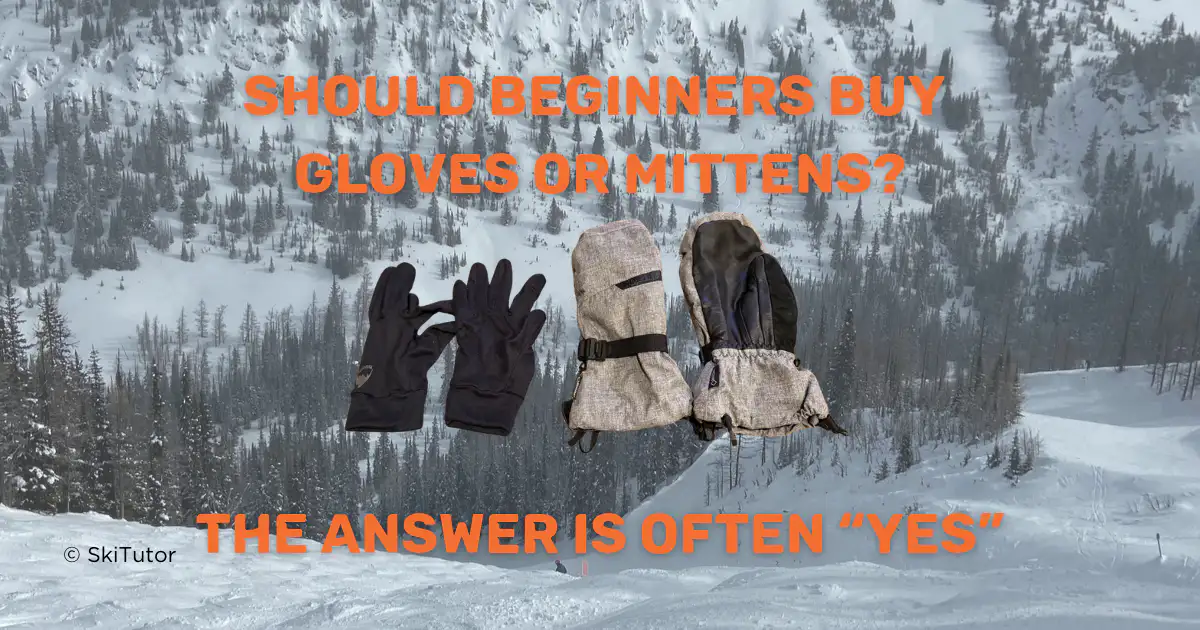
Buy mittens. Mittens are great for beginners. They keep your hands warm and still allow for good movement. Buy gloves only if your hands run hot or you'll mostly ski spring days above ~30°F. That general rule has served me well. I would rather have slightly warm hands than ones that are too cold.
Cold hands are one of the fastest ways to end a first ski day early. As a beginner, you spend more time standing still: lift lines, lessons, waiting on friends. And you'll fall more, which means more snow on your hands.
Plus, if you buy the right pair, they'll last for many seasons!
Here's how the 3 main options compare when they're built from the same materials:
| Mittens | Lobster mitts (3-finger) | Gloves | |
|---|---|---|---|
| Warmth | Warmest | In between | Least warm |
| Dexterity | Lowest | In between | Best |
| Best for | Cold days, cold hands, beginners | Cold days when you need a free index finger | Spring skiing, hands that run hot |
My rule is simple:
If you're only buying one pair this season, buy mittens. You'll ski more cold days than warm ones in your first winter, and a mitten on a warm day is a minor annoyance. A glove on a 10°F day is how a ski day ends at 11 a.m.
Your fingers keep each other warm. In a mitten they share one pocket of air, so there's less surface area losing heat and fewer seams for cold to get through. In a glove, each finger is on its own.
This has been tested. Researchers at Kobe University compared 8 gloves and 4 mittens at 14°F and -4°F and found mittens held heat better. At 14°F the shape (mitten vs. glove) was the main factor. At -4°F, the material started to matter too.
The Mayo Clinic agrees (in the context of frostbite): "Mittens provide better protection than do gloves." Fingers often get frostbite, so protecting them matters for comfort and safety.
Gloves win on dexterity. If you're buckling your boots, adjusting goggles, unzipping pockets or pulling out your phone, gloves make it easier. (Our guide to buckling your boots covers the boot side of that.)
Gloves also win when it's warm. Mittens can run hot, and sweaty hands get cold fast once you stop moving.
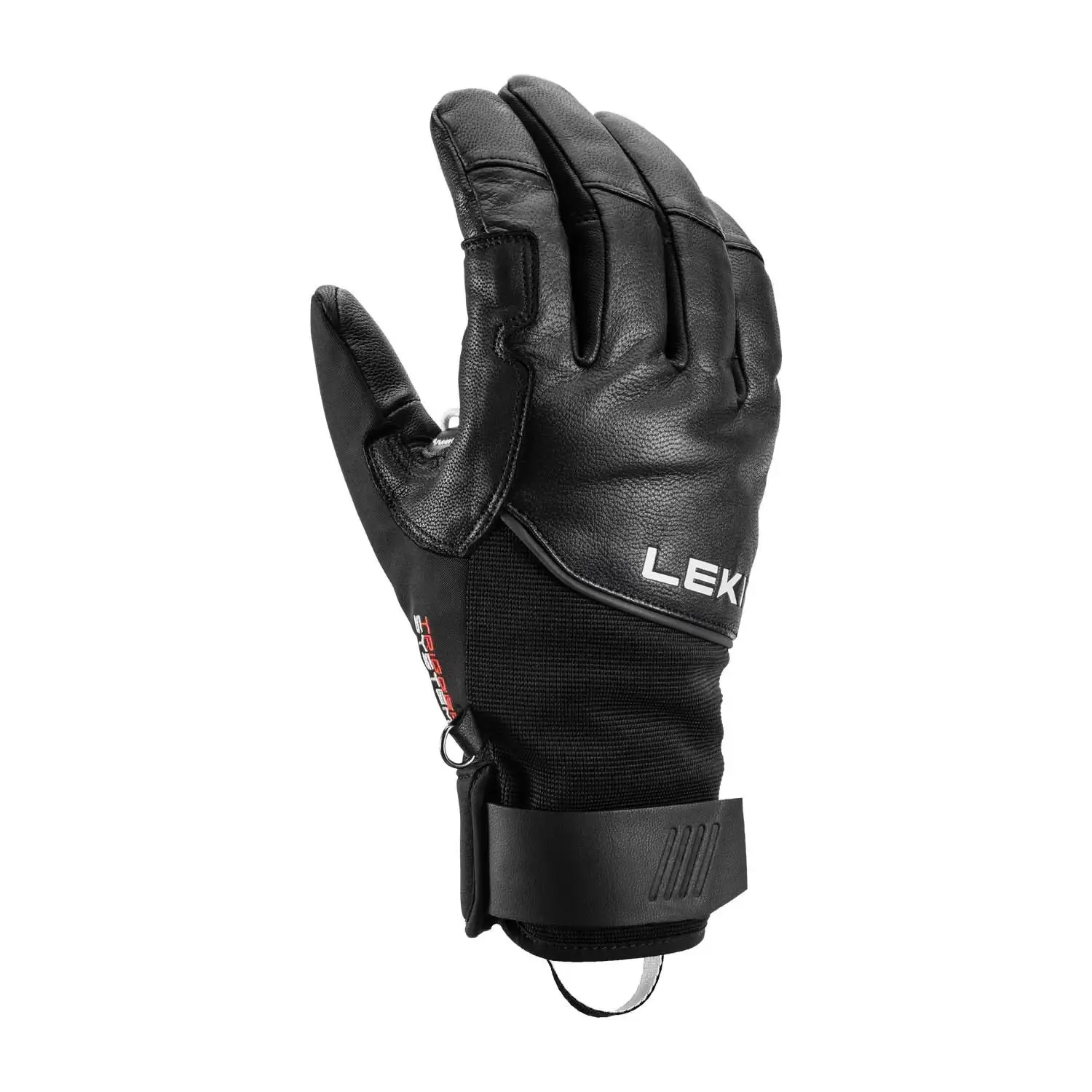
That's my own setup in spring. Once it's consistently above ~30°F, I switch to a light pair of Leki Pega Lite gloves. Otherwise, I'm in mittens.
Gloves make sense if:
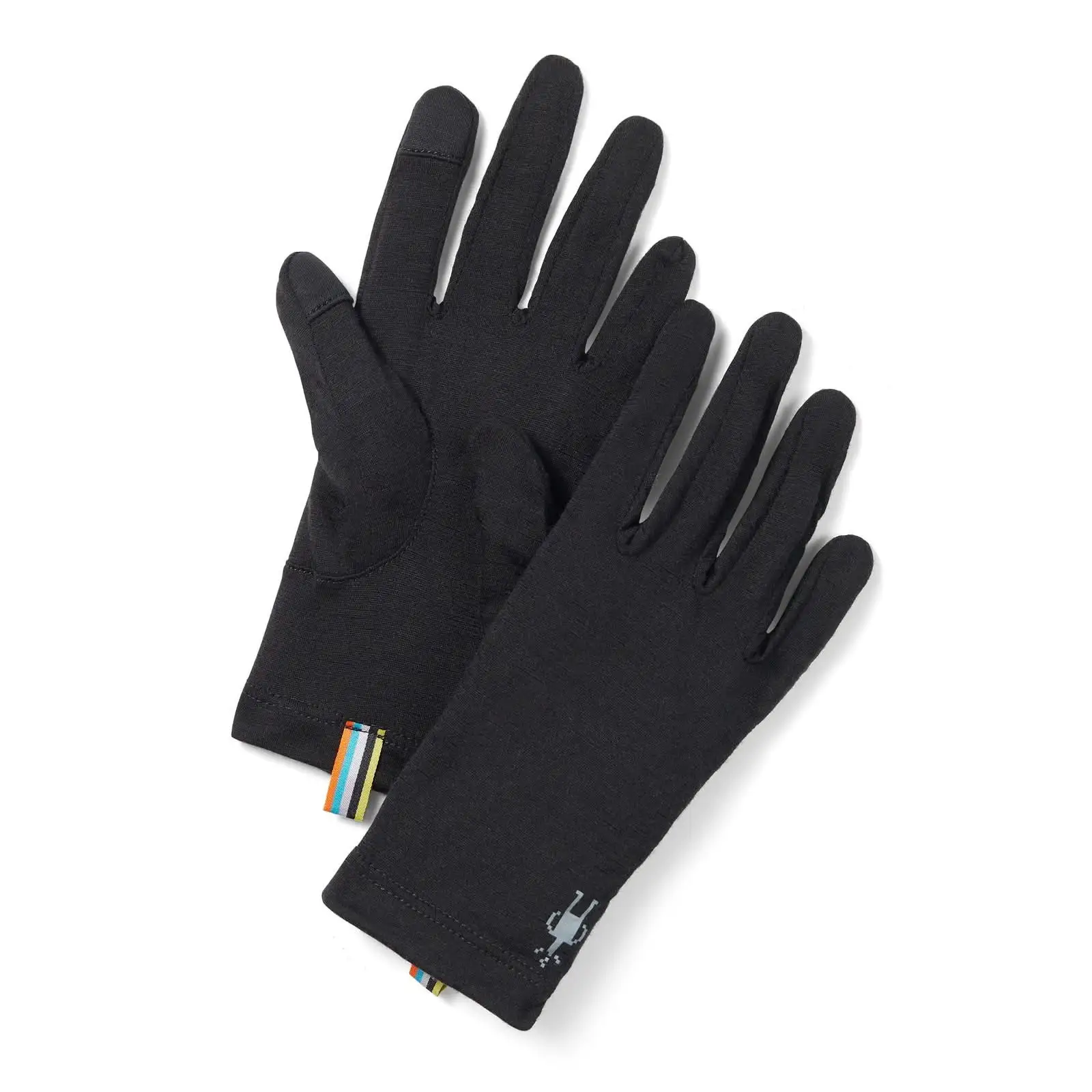
Liners are thin gloves you wear under your mittens. I use Smartwool liners on the coldest days, when the air temperature drops below 0°F. The Kobe University study found that wearing a mitten over a glove raised the coldest finger temperature by ~8%. Liners also pull sweat away from your skin, which Mayo Clinic recommends for this reason. Bonus: you can pull your hand out of the mitten to use your phone without exposing bare skin.
Lobster mitts (also called 3-finger or split-finger mitts) are a hybrid. Their design puts your thumb in one pocket, your index finger in another and the other 3 fingers together. You keep most of a mitten's warmth and get a free trigger finger for zippers and buckles. I haven't skied in them, so I can't give you a first-hand take.
Heated gloves and mittens use rechargeable batteries to warm your hands. Most of the popular pairs cost $100 or more. They make sense if you have poor circulation. I haven't used them either, so I can't vouch for them.
You're not going to find a lab test for every pair on the shelf. But you can read a product page and know what you're paying for. Price mostly tracks materials, so here's what to check.
1. The shell (outer material). Budget pairs use synthetic nylon or polyester, often with a PU (polyurethane) palm. Pricier pairs add a leather palm or go full leather, usually goatskin or pigskin. Leather lasts longer and grips poles better. It also costs more and needs an occasional treatment to stay water-resistant.
2. The waterproof layer. Look for a membrane: GORE-TEX or a brand's own version (Hestra's CZone, Black Diamond's BD.dry). A membrane keeps melted snow out while letting sweat escape. Cheaper pairs rely on a coating, or on wax in the case of leather work-style mitts. Both work, but they wear off over time.
3. The insulation. Synthetic insulation like PrimaLoft or Thinsulate keeps working when it gets damp. That matters for beginners, since you're going to fall in the snow.
4. The cuff. A gauntlet cuff goes over your jacket sleeve and cinches tight. It keeps snow out when you fall and push yourself back up. (Here's our guide to getting up after a fall.) Undercuff styles tuck inside your sleeve. They're less bulky but let in more snow.
5. Leashes and fit. Wrist leashes let your mittens hang off your wrists on the chairlift, so you don't drop one into the trees. For fit, REI recommends ~1/4 inch of space at the fingertips. Too tight squeezes out the warm air, and too loose costs you grip.
Here's roughly what each price level gets you:
| Price | What you typically get |
|---|---|
| ~$20 to $40 | Synthetic shell or waxed leather, coated or wax waterproofing |
| ~$80 to $125 | Membrane insert, leather palm, PrimaLoft-type insulation |
| ~$150+ | More leather, removable high-loft liners, warmest options |
For the full gear budget, see our breakdown of the cost to start skiing.
I wear 2 of these (the LEKI and the Hestra). The other 3 are popular, well-reviewed mittens I chose based on materials and price. They're grouped by the price ranges above, checked in late 2026.
Budget pick
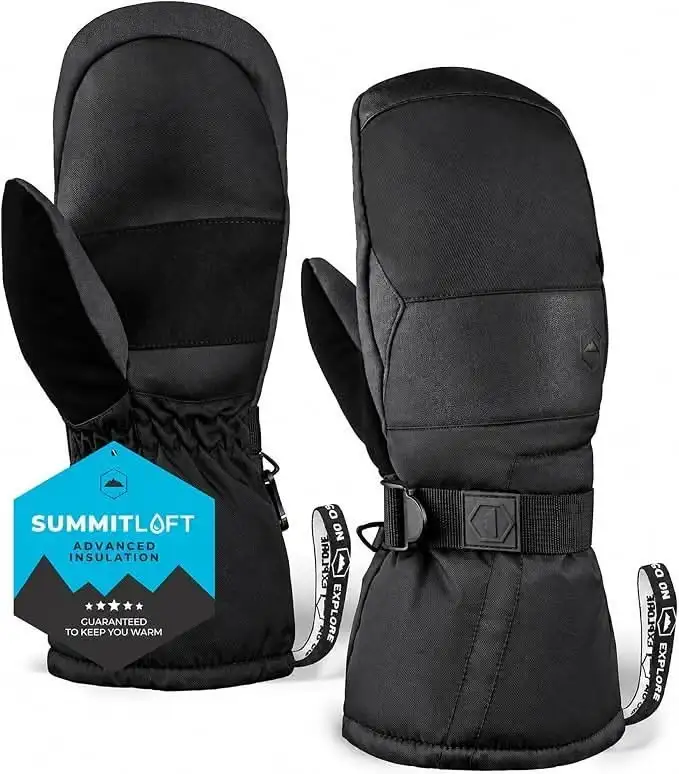
Tough Outdoors Furnace Pro Ski Mittens
Our budget pick, at the bottom of the range. It still has what a beginner needs: a TPU waterproof membrane, synthetic insulation, an extended gauntlet cuff and wrist leashes. Nylon back with a PU and microfiber palm. 7,000+ reviews averaging 4.5 stars. An easy first pair if you aren't committed to a full season.
Budget leather pick
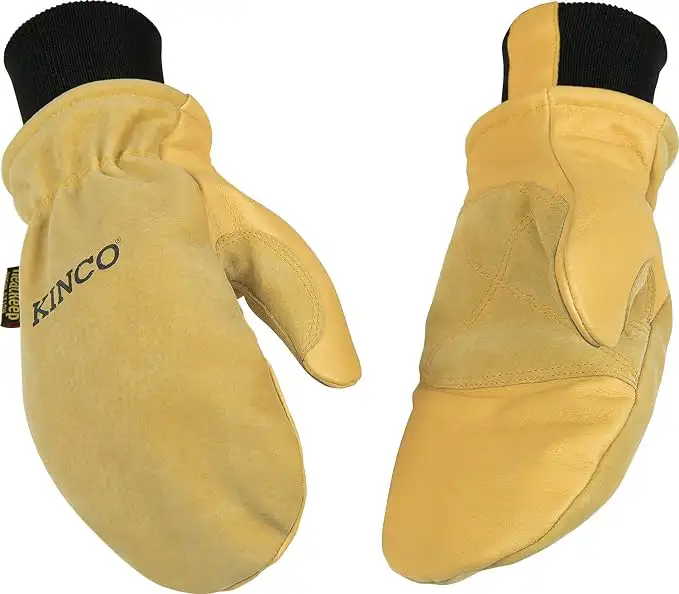
Our leather pick in the budget range. A leather work mitt that's crossed over into skiing, with 400+ bought on Amazon in the past month. The pigskin leather is treated with Nikwax waterproofing wax and is very durable. The trade-off: there's no membrane, so you'll need to re-wax it every season or so.
Mid-range pick
Burton GORE-TEX Insulated Mittens
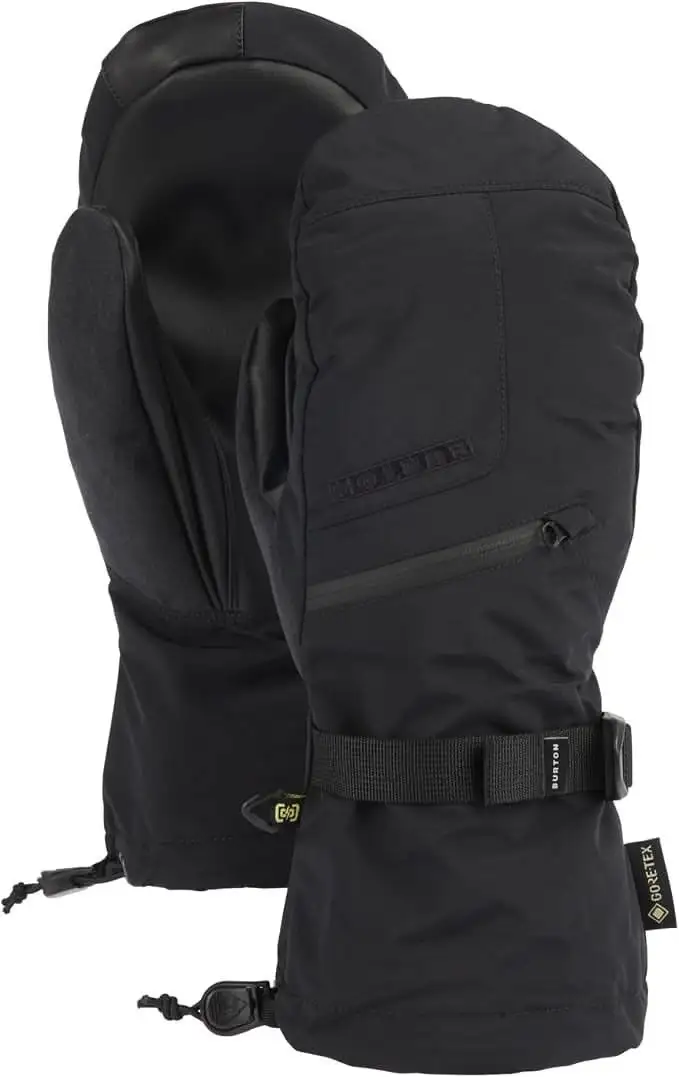
Our pick for the cheapest real membrane, at the low end of this range. GORE-TEX, synthetic insulation, a removable liner, a pocket for a hand warmer, and a leash. Also comes in a women's version. I haven't tested these.
Mid-range pick
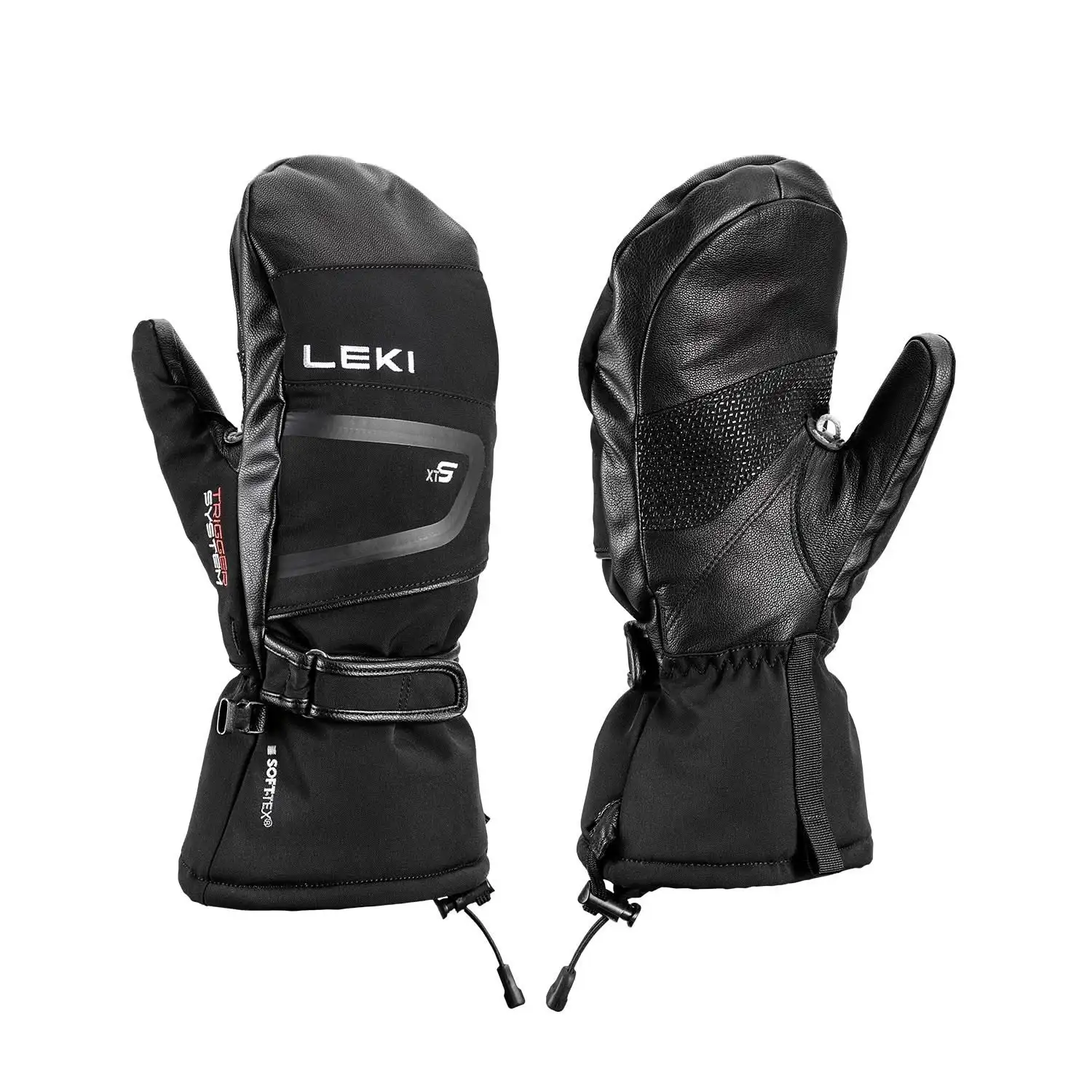
One of my 2 pairs. Goatskin leather backed by a waterproof membrane, with PrimaLoft insulation. I own them because a loop on the mitt clips into the grip of LEKI's Trigger poles. This lets me release my poles without dropping them. That only matters if you own LEKI poles. If you don't, look at the Hestra.
Mid-range pick
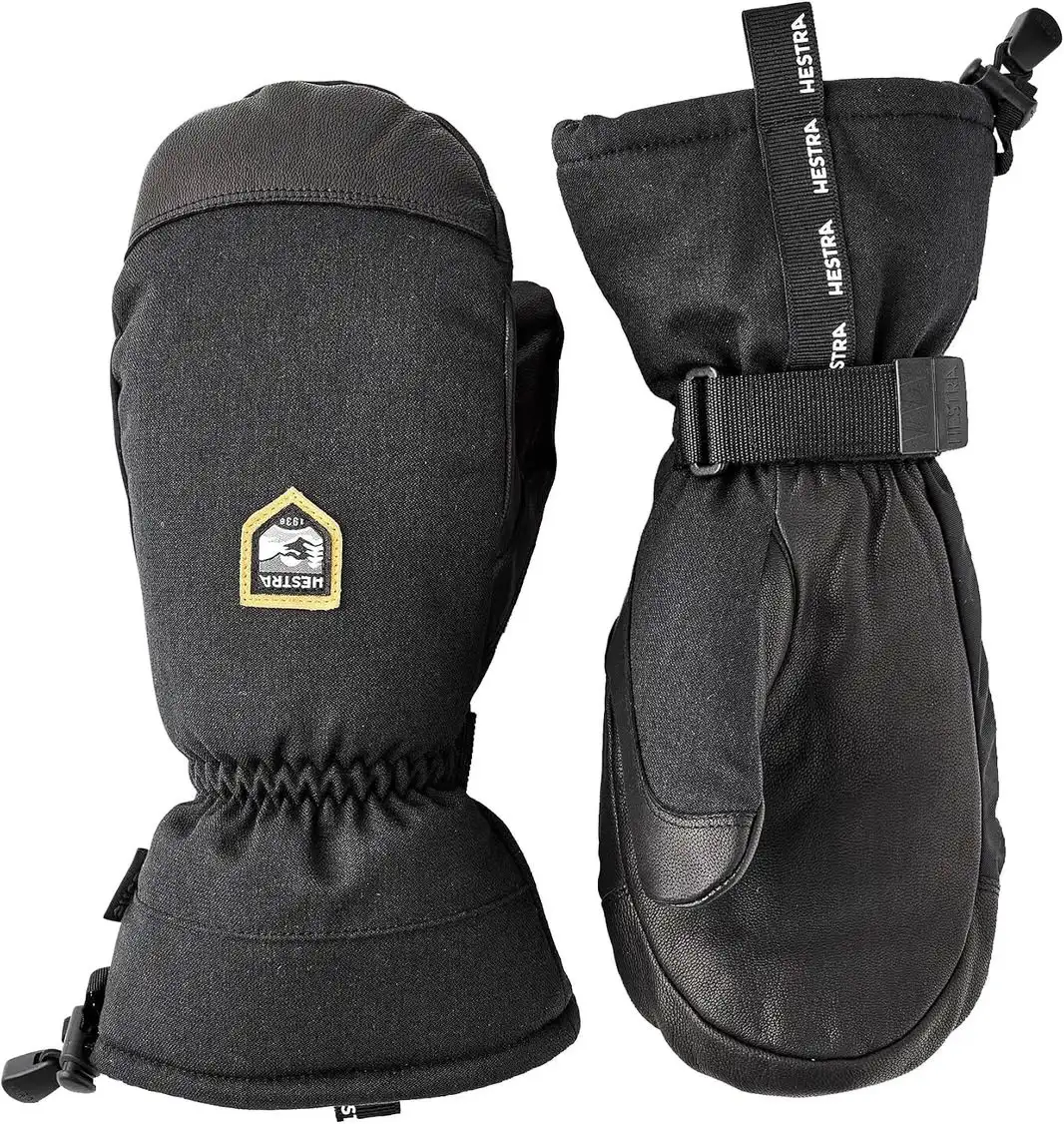
What I wear most days, at the top of this range. Waterproof polyester back, goat leather palm, a CZone waterproof insert, and a warm fleece lining. Long cuff over the jacket and a snow lock to keep powder out.
Liner pick
The one I'd wear under my mittens below 0°F. It's 88% merino wool with a thin nylon core, light enough to fit under any mitten above. The thumb and index finger work on touchscreens. This means you can use your phone without touching it with bare skin.
Yes. With the same materials, mittens are warmer because your fingers share heat. A Kobe University study of 8 gloves and 4 mittens found mittens held heat better at both 14°F and -4°F.
For most beginners, mittens. They're warmer, and beginners spend more time standing still and falling in the snow. Gloves are better on warm spring days or if your hands run hot.
Not for a full day. Everyday winter gloves are often not waterproof. They can soak through if you fall in the snow. Look for a waterproof membrane and synthetic insulation.
Not on most days. They're worth it when it's well below freezing. I add them below 0°F. They add warmth, pull sweat off your skin, and let you use your phone without bare hands.
They are if you have poor circulation. Most cost $100 or more, and you'll need to charge them daily. If regular mittens keep you warm, you don't need them.
Buy the mittens. Add a thin liner if your hands still get cold, and keep a lighter glove for spring. Your first pair doesn't need to cost $150. A ~$20 to $40 pair with a gauntlet cuff and a leash will get you through your first season.
For the rest of your kit, see our guide on what to wear skiing.
Disclosure: SkiTutor earns a commission if you buy through the Amazon or Smartwool links above, at no extra cost to you. As an Amazon Associate, SkiTutor earns from qualifying purchases.