New to skiing? Learn exactly what to wear on the slopes — base layers, outerwear, goggles, helmets and accessories, with budget and upgrade picks.


Lorem ipsum dolor sit amet, consectetur adipiscing elit proin mi pellentesque lorem turpis feugiat non sed sed sed aliquam lectus sodales gravida turpis maassa odio faucibus accumsan turpis nulla tellus purus ut cursus lorem in pellentesque risus turpis eget quam eu nunc sed diam.
Lorem ipsum dolor sit amet, consectetur adipiscing elit proin mi pellentesque lorem turpis feugiat non sed sed sed aliquam lectus sodales gravida turpis maassa odio.
Lorem ipsum dolor sit amet, consectetur adipiscing elit consectetur in proin mattis enim posuere maecenas non magna mauris, feugiat montes, porttitor eget nulla id id.
Lorem ipsum dolor sit amet, consectetur adipiscing elit ut suspendisse convallis enim tincidunt nunc condimentum facilisi accumsan tempor donec dolor malesuada vestibulum in sed sed morbi accumsan tristique turpis vivamus non velit euismod.
“Lorem ipsum dolor sit amet, consectetur adipiscing elit nunc gravida purus urna, ipsum eu morbi in enim”
Lorem ipsum dolor sit amet, consectetur adipiscing elit ut suspendisse convallis enim tincidunt nunc condimentum facilisi accumsan tempor donec dolor malesuada vestibulum in sed sed morbi accumsan tristique turpis vivamus non velit euismod.
Ski Gear. Talk about a black hole. There are tons of brands and options that can fit at any price point. For the new skier? It can be overwhelming.
For first-time skiers, there are only a few items that you really need: Jacket, Snowpants, wool socks, gloves, and goggles. Your main goal should be to cover as much skin as possible while also providing some insulation to your core. Skiing is a sport in WINTER, after all! Plus anytime the wind starts blowing, you'll be happy that there's a layer of clothes to break that wind. In reality, you can probably get everything you need for about $500. That $500 is a one-time investment that should cover you for your first few seasons.
This guide is designed for new skiers who aren't necessarily buying luxury brands but are looking for that happy medium between price and performance.
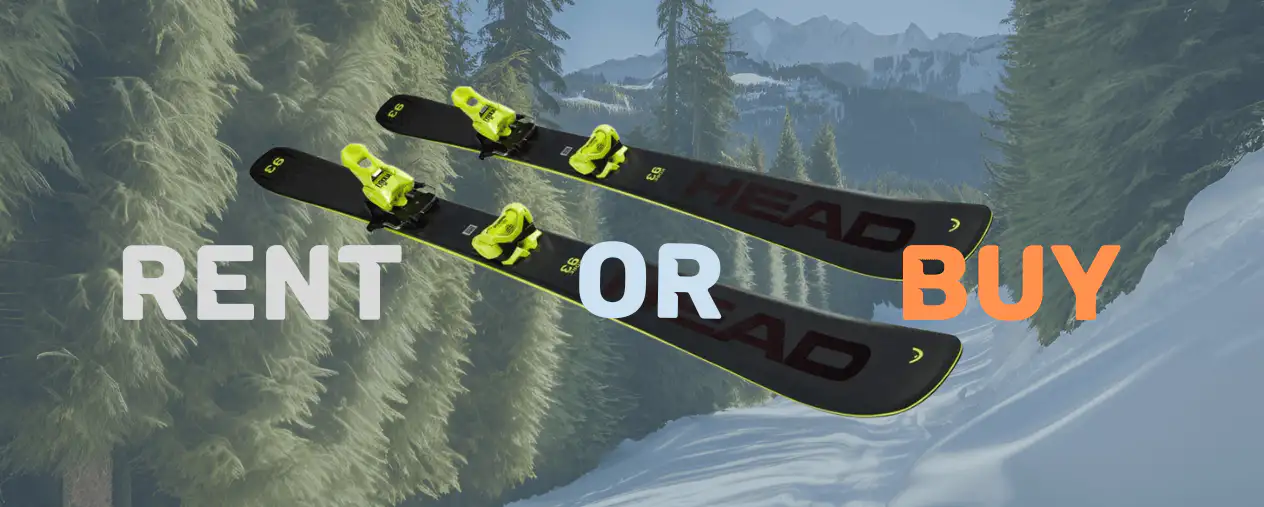
Before diving into what to wear, you may also want to consider whether to rent or buy your gear — a decision that affects your total budget. In each section below, we'll include a starting recommendation and an 'upgrade' option. Also, just a heads-up that some of these are affiliate links if you'd like to help support the site. Ok, here's our guide to the essential ski apparel every beginner should have!
Before diving into the details, here's everything you need for your first ski trip. A complete mid-range kit runs $400–800 — though you can trim that by renting, buying used, or shopping end-of-season sales.

Properly dressing in layers is fundamental to enjoying your skiing experience. This technique works to regulate your body temperature, protect against harsh weather, and enhance your overall comfort on the slopes. Layering wisely comprises three main layers: a moisture-wicking base layer, an insulating middle layer, and a protective outer layer.
By methodically selecting each layer, you ensure that cold winds, snow, and sweat don't cut your day short. Furthermore, accessorizing with appropriate headgear and gloves fortifies these layers, adding extra warmth and protection necessary for a thrilling ski adventure.
The base layer is arguably the most critical component of your ski apparel ensemble. Designed to keep you warm and dry, the base layer sits directly against your skin, providing a foundation for the layering system. Opt for moisture-wicking materials such as merino wool or synthetic fabrics to effectively move sweat away from your body.
This layer helps regulate body temperature, providing insulation without sacrificing breathability. A snug fit enhances performance by trapping warmth without impeding movement. Investing in both top and bottom base layers ensures comprehensive coverage and maximum comfort while skiing.
Smartwool (top) (bottom) - it's all in the brand name. Classic style and lightweight merino wool that is the perfect foundation!
Under Armour (top) (bottom) - Their ColdGear line has base layers from 1.0-4.0 where 4 is the warmest. I've generally found that 2.0 or 3.0 are a good balance, depending on the weather
Sandwiched between the base and outer layers, the mid layer serves as your primary source of insulation. It plays a crucial role in heat retention, offering that much-needed warmth as temperatures drop. Materials like fleece, wool, and synthetic blends are popular for their warmth-to-weight ratios. This layer needs to be lightweight and easy to adjust, balanced to provide substantial warmth without bulk. Selecting the right mid layer not only ensures you stay cozy but can also enhance your style on the slopes. The correct layering facilitates a snug yet flexible fit, ramping up enjoyment during downhill runs.
Stio - I like wearing 1/4-zips like the Glide Power Stretch, as they let in some air without having to take off the entire layer.
Patagonia (R1) - Solidly made, timeless style. Also comes in a 1/4 zip style to let you control airflow.

This layer is your first line of defense against the wind, snow, and moisture that are inevitable when skiing. For beginners, choosing jackets and pants made from waterproof, breathable materials is crucial. These features help maintain optimal body temperature and manage internal moisture.
Outerwear comes in two forms: shells and insulated. Insulated items are exactly what they're called — a waterproof outer layer with insulation to keep you warm. Shells prioritize weather protection and are better suited if you're properly layering and will be shedding layers frequently. Either way, look for gear with adjustable hoods, cuffs, waists, and ventilation zips to adapt to changing weather.
Stio - Environ Jacket and matching pants are fantastic insulators that will keep you warm all day out on the slopes! If you're planning to ski on particularly stormy days, consider getting bibs to keep snow from sneaking in and getting your other layers wet.
Helly Hansen - Alpha 4.0 Jacket. Similar to Stio's Environ, even down to the pocket locations. You really can't go wrong with either of these options, it will come down to personal style and availability. Pair it with their insulated ski pants (see our full review of the Legendary Pants).

While the right layers form the backbone of any skiing outfit, accessories complete the picture by ensuring warmth, safety, and comfort. Gloves, goggles, helmets, and neck gaiters each play a specific role — and each one is as crucial as your primary garments.
Gloves are indispensable for maintaining warmth and grip, while goggles protect your eyes from glare and harsh elements. Helmets provide critical safety protection and added warmth, while items like neck gaiters or balaclavas shield sensitive areas from biting winds.
We recommend all skiers wear helmets over hats.
Beyond the safety benefits, they will keep you warm, and many have features like vents that can be opened to let in some air on warmer days. It's important that your choice of headwear accommodates ski goggles, ensuring that they fit comfortably and do not compromise visibility.
One other feature you should absolutely consider when buying a helmet is MIPS. MIPS technology helps reduce concussions by absorbing rotational forces away from your head. Other than MIPS and opening vents, the helmet choice comes down to personal style.
Smith - If you are buying Smith goggles (more on that next), these helmets will integrate the best. I've been wearing their Vantage model for the past 2 seasons and find it to be very comfortable, even over a balaclava.
Giro - Often less expensive than comparable Smith helmets, my last helmet was a Giro. I only swapped it out to get a better fit with my goggles. I like the style of their Neo model, and it's about $100 less than the Smith model.
Protecting your eyes from the elements is a fundamental part of ski apparel. Goggles are often favored for their snug fit, which prevents snow from entering and offers superior protection against the elements, making them ideal for snowy conditions. Sunglasses can be a stylish and functional choice when skiing in clear, sunny weather, especially on warm spring days. Choosing eyewear with UV protection is essential to shield your eyes from harmful rays. Anti-fog and anti-scratch features are also beneficial, ensuring your vision remains unobstructed and your eyewear durable amidst ski adventures.
When choosing goggles, you'll quickly become familiar with Visible Light Transmission (VLT) — the percentage of light that passes through the goggle lens, ranging from 0% to 100%. A lower VLT means a darker lens that blocks more light, ideal for bright sunny days. A higher VLT lets in more light, which is better for overcast or low-light conditions.
As a rough guide: 10–20% VLT lenses are excellent for bright, sunny days, while 60–90% VLT lenses are perfect for clouds or storms. Many manufacturers offer interchangeable lenses or photochromic options that automatically adapt to changing light conditions.
If budget allows, getting two lenses — one low VLT and one high VLT — covers you in almost every situation. Not sure where to start? Check out our guide to the best budget ski goggles for beginners.
Smith - The gold standard for ski goggles. I've been using their 4D Mag goggles for the past few years and love them. They have interchangeable lenses, anti-fogging, and a small curved area at the bottom, which increases your visible range.
Zionor - A fantastic budget option that I used for years before changing to the Smith model. Their X4 model also has the ability to change out lenses.
Choose gloves that provide appropriate insulation and are water-resistant to keep your hands warm and dry. They should balance warmth with dexterity, allowing you to grip ski poles securely. Consider style and compatibility with your ski outfit to stay fashionable and functional. I've personally preferred mittens on colder days, and use thinner gloves on warm days.
Hestra - My current mittens are the CZone All-Mountain. Warm and durable for the coldest days. They also have leather options.
Burton - Another solid option with Gore-Tex to keep things waterproof.
Selecting the perfect socks is often overlooked but significantly impacts your overall ski experience. Opt for moisture-wicking ski socks to keep your feet dry and comfortable throughout the day. Ski socks do come with varying levels of cushioning and insulation. If you're going to be in rental boots, aim for something with a medium cushion, which can help fill the space in your boots and keep you warm. Once you are ready to invest in your own set of ski boots, we recommend the thinnest socks you can find. Your feet will stay warm, and you can avoid unnecessary pressure and pain in your feet!
Smartwool - Their zero-cushion ski socks have been in my ski bag for 10 years. They are insanely comfortable, wick moisture well, and you can even get 2 days out of them before they need to be washed!
Stio - Their All-Mountain ski socks are another stylish choice with similar performance to Smartwool. Your choice will come down to personal style and availability
A neckwarmer is an essential and versatile accessory designed to keep the cold at bay. Often overlooked, it provides significant warmth and protection, especially during chilly winds. They come in a wide array of styles and colors, allowing you to match them with the rest of your gear while showcasing your flair. Lightweight and easily packable, they're an excellent addition on cold days and can be easily stowed away when things warm up.
Stio - Turpin Fleece Gaiter
Smartwool - Merino Wool Gaiter
Columbia - Fast Trek Gaiter
.webp)
A small, lightweight backpack can be a huge asset while skiing, allowing you to carry essentials like snacks, water, sunscreen, and even extra layers for changing weather conditions. They come in a variety of styles with different organizational components, such as straps for carrying skis or specific pockets for avalanche equipment. A well-selected backpack enhances your skiing experience by keeping your hands free and reducing the frequency of trips back to the lodge for necessities. You'll find a variety of stylish designs that complement your ski apparel while ensuring functionality.
Osprey - The Glade backpack has a built-in water bottle
Dakine - The Mission Pro has built-in straps to carry skis
Despite the cold temperatures, UV exposure is significant at high-altitude ski locations, making sunscreen essential. The snow acts as a reflective surface, doubling the effects of UV exposure. Unlike common beach sunscreen, it can also be beneficial to choose a moisturizing sunscreen. Lip balm with SPF should not be forgotten to shield lips from both sun damage and the cold, dry air.
I use Sol Sungard when I'm out skiing. I'm not sure how it does the wind protection, but my skin does feel less wind-burnt at the end of the day.
For a first ski trip, focus on the essentials: a waterproof jacket and ski pants, a moisture-wicking base layer, gloves, goggles, helmet, and wool ski socks. You don't need to buy everything upfront — rental shops often have helmets and goggles available, and you can borrow outerwear for a single day.
You can, but it's not recommended. Regular jeans and cotton sweatshirts absorb moisture and quickly become cold and heavy. At a minimum, wear a waterproof outer layer and avoid cotton directly against your skin. If you're just trying skiing for one day before committing to gear, prioritize borrowing or renting waterproof ski pants and a jacket above everything else.
A complete beginner outfit — jacket, pants, base layers, helmet, goggles, gloves, and socks — typically costs $400–800 for mid-range gear. You can significantly reduce this by buying second-hand, shopping end-of-season sales, or borrowing items. The two biggest single costs are usually the jacket ($150–500) and helmet ($80–250).
Most resorts don't legally require helmets for adults, but we strongly recommend them for everyone — especially beginners. Falls are common when learning, and helmets significantly reduce the risk of serious head injury. Look for MIPS technology, which provides additional protection against rotational impacts. Budget-friendly options start around $80.
Ski jackets use waterproof/breathable fabrics like GoreTex, and include lift pass pockets, goggle pouches, helmet-compatible hoods, and ventilation zips. A regular winter coat may be warm, but it's likely to get soaked through in snow and won't have the range-of-motion or venting you'll want on the mountain.
From the fundamental layering concept to the selection of accessories such as gloves, eyewear, and neck warmers, each decision contributes to a seamless and memorable skiing experience. Whether you're tackling the bunny hills or gearing up for a challenging descent, these essential ski apparel pieces will keep you warm, allow for flexible movement, and keep you stylish as you carve through the snow. As you're building your collection, don't forget that you don't need to buy everything brand new. Check out second-hand gear shops and end-of-season sales to save money.