Ready to start skiing? Learn exact costs for equipment, lift tickets, lessons & gear. Complete breakdown shows how beginners can start skiing from under $200.


Lorem ipsum dolor sit amet, consectetur adipiscing elit proin mi pellentesque lorem turpis feugiat non sed sed sed aliquam lectus sodales gravida turpis maassa odio faucibus accumsan turpis nulla tellus purus ut cursus lorem in pellentesque risus turpis eget quam eu nunc sed diam.
Lorem ipsum dolor sit amet, consectetur adipiscing elit proin mi pellentesque lorem turpis feugiat non sed sed sed aliquam lectus sodales gravida turpis maassa odio.
Lorem ipsum dolor sit amet, consectetur adipiscing elit consectetur in proin mattis enim posuere maecenas non magna mauris, feugiat montes, porttitor eget nulla id id.
Lorem ipsum dolor sit amet, consectetur adipiscing elit ut suspendisse convallis enim tincidunt nunc condimentum facilisi accumsan tempor donec dolor malesuada vestibulum in sed sed morbi accumsan tristique turpis vivamus non velit euismod.
“Lorem ipsum dolor sit amet, consectetur adipiscing elit nunc gravida purus urna, ipsum eu morbi in enim”
Lorem ipsum dolor sit amet, consectetur adipiscing elit ut suspendisse convallis enim tincidunt nunc condimentum facilisi accumsan tempor donec dolor malesuada vestibulum in sed sed morbi accumsan tristique turpis vivamus non velit euismod.
Approximately 60 million people go skiing each year, according to the NSAA. Unfortunately, the sport also gets a bad rap when it comes to its cost. "It's only for rich people!" they say. Not so, my friend! There are ways to get on the slopes for significantly less than selling a kidney.
That being said, getting started with skiing requires careful planning and budgeting to avoid breaking the bank. A beginner can expect to spend between $180 to $1,600 to ski for the day, with costs varying based on location, equipment rentals, and skill level.
In this guide, we'll outline the major costs to go skiing and provide some budget tips to reduce them as much as possible.
Why should I even go skiing in the first place? I can think of many reasons: beautiful mountain views, exercise in the winter, spending time with friends and loved ones, apres culture. Should I keep going?
Before you get to the hill, you'll need to make sure you have some basic apparel and equipment. Don't buy equipment right away. Rent gear for your first few times until you're sure you enjoy skiing. This saves money and lets you try different types of skis. The core checklist includes:
Once you get to the resort, skiing is easier to learn than you may think. You can pick up the basic movements in just a few days with proper instruction. During these lessons, an instructor will teach you essential skills like stopping, turning, and getting on and off the chairlift.
Your first time skiing should be at a ski resort with good beginner terrain. Many resorts offer special packages for new skiers that include equipment rental, lift tickets, and lessons. For example, Palisades Tahoe has the Perfect Progression Program, which includes lift tickets, rentals, 3 lessons, lunch vouchers, and upon completion, a season pass! For $799? That's a huge value compared to a regular season pass, which alone is over $1,800!


To figure out how much it will cost to go skiing, we'll break down the costs into these areas:
Before we start looking at costs, it is worth pointing out a few items about this analysis:
Single-day lift ticket prices in 2025 range anywhere from under $20 at small local hills to over $300 at premier resorts. For example, Washington’s tiny Badger Mountain Ski Hill charges just $10 per day, while a peak holiday (or mid-February) tickets at Deer Valley, Utah reaches $329 if bought day-of.

Most well-known destination mountains (East or West) fall in between, often around $150–$250 for a day pass on busy days. Regional examples include Whiteface, NY at $129 for an adult day ticket bought on-site and Midwest’s Alpine Valley, WI around $56 on a weekday. Multi-day tickets usually offer a better value (e.g. 2 days for ~$258 at Whiteface) and some mountains have dynamic pricing that rewards buying in advance.
If you're willing to commit early (I.e., the summer before), then buying a multi-mountain season pass can be the way to go (e.g., Epic, Ikon). Buying this pass (costing ~$800-$1,200 for the season) can bring per-day costs well under $100 if you ski multiple days, even for just a week-long trip .
If the full season pass is still too much, Epic and Ikon also offer more restricted multi-day passes as well. They're flexible enough to allow you to plan your actual trips and days later. You'll see these marketed as the "Epic Day Pass" or the "Ikon Session Pass".
We wrote a whole separate post about these two passes, since there's much more to unpack there. Read Epic Pass vs Ikon Pass for beginners for a full breakdown of which pass makes sense at your day count.
The last thing to consider as a surprise add-on to your lift ticket is parking. Fortunately, you only really see parking costs at major destination resorts, with daily rates that range from $5-35 per day. The highest prices will be at the lots closest to the lift. Some ways to offset these costs include carpooling or using public transit to get to the mountain from your hotel.
If you don’t own gear, renting skis, boots, poles, and a helmet is the next major cost. Rental packages average about $40-$125 per day for adults at many resorts , but prices vary by region and resort type.
At a budget-friendly mountain like Brian Head in Utah, a standard adult ski set came to roughly $45 per day. Children’s rentals are usually cheaper (about $25-$30/day in this case). Big-name Western resorts often charge more — e.g. basic ski rentals at Breckenridge, CO run around $78/day , and the luxury Deer Valley, UT charges about $125/day for premium rentals.
East Coast and Midwest resort rental rates typically land on the lower end since those hills are smaller; $30-$50 a day is common at local Midwestern ski areas. Prices can increase if you opt for high-performance demos or if it’s a peak weekend with limited inventory.
Renting gear near the resort in town or ski shop can sometimes be cheaper than on-mountain rates. Local shops exist in most towns throughout the US, plus there are some larger regional chains like Christy Sports, and for those who want delivery at a destination resort, check out Ski Butlers.
Planning to ski regularly? Buying your own gear can save money long-term. If you do buy, have a shop set your DIN setting to your weight and ability before the first run. Here's what to budget for basic equipment:

Staying warm and dry on the slopes requires proper apparel: a waterproof jacket, snow pants, gloves or mittens, goggles, and layers (plus a helmet for safety, which many choose to buy). If you purchase all new ski clothing, expect to spend somewhere between $500 to $1,000 for a full kit (jacket, pants, gloves, goggles, base layers, etc.), especially if you go for name-brand gear. Fortunately, this is a one-time purchase vs. a daily rent.
Beginners can get by with budget-friendly options. It’s possible to assemble a decent ski outfit for much less — for example, our friends at Switchback Travel put together an entire ski kit for about $381 by finding sales on quality basics. You don’t necessarily need the top-of-the-line $700 jacket; even a ~$100 well-insulated jacket and $80 snow pants can suffice for starting out.
Another option is renting ski apparel. Companies like Kit Lender and others will rent you a complete outerwear package (jacket, pants, gloves, goggles, etc.) delivered to your door or destination, typically for $30–$50 per day . This can be a great option if you’re a first-timer not ready to invest in expensive clothing. Regional differences are less relevant here – a jacket from a Midwest ski shop works as well as one from a Colorado shop – but buying gear at a resort can cost more, so it’s better to plan ahead.
We highly recommend professional instruction for new skiers. When looking to get lessons, there are two types: group and private. Unsurprisingly, rates differ drastically. A typical 2-hour group lesson at a smaller or mid-sized resort costs roughly $70 to $130 per person . For example, group classes at resorts like Timberline, OR and White Pass, WA are just under $100 for a 2-hour beginner lesson. Big-name resorts charge more (often $300+ for a half-day group lesson), but often have full-day programs that include a longer session and sometimes lunch.
In contrast, private lessons offer one-on-one coaching at a premium price: an hour with an instructor might start around $100-$150 at the low end, but a full-day private can run $600-$1,000+ at top resorts . (For instance, a full-day private at Vail or Aspen for a small group/family easily falls in this range.) While the prices are high, if you have a custom group of 3-4 people with similar abilities, it can be a way to reduce the cost per-person. Plus you get to use the much shorter lessons line when boarding the lifts!
Prices tend to be highest in popular Western resorts, while smaller regional hills in the Midwest or East offer more modest lesson fees. Many resorts also offer beginner packages which bundle a limited lift ticket and rentals with the lesson – these can be excellent value for first-timers. For example, Aspen will give you a full lesson, rental, and lift ticket for $363 if it's your first time.
Western resorts are expensive, but there is a quality element to consider. I personally have had consistently better lesson and learning experiences from instructors at the western resorts compared to those at smaller locations. Bigger resorts tend to attract better instructor talent. Plus, once you get off the bunny hill, the instructors have much more terrain to work with for your next step!

Food and drink on a ski trip can range from basic cafeteria fare to fine dining, and costs reflect that. On-mountain food tends to be expensive. It’s not uncommon to pay about $15-$20 for a burger or chili at a lodge cafeteria and $4-$6 for a soda. Add a beer or hot chocolate and you might hit $30+ for a simple lunch. Many mountain lodges in the Rockies charge around $20 for just a burger (without sides) . If you dine at a nicer on-resort restaurant for dinner, entrees can easily run $25-50 each, plus appetizers or drinks.
Après ski, or the happy hour after you're done skiing, with a couple of drinks can also add up fast. Be ready for $10+ beers, $15+ cocktails, and $20+ for a glass of wine at upscale resort bars. That said, there are cheaper options: in the Midwest or smaller Eastern resorts, meal prices are a bit lower (maybe $10 burgers). And if you stay off-resort, nearby town restaurants or fast food can cost much less than slope-side eateries. Overall, plan on $25-60 per person per day for meals if you’re buying on-site, but this can swing higher or lower based on your choices.

Getting a lift ticket and enjoying your day on the slopes is one set of costs, but you also need to get there. Most of us live in larger cities away from the mountains and the first question we'll need to answer is "drive or fly?". Once we're in town, we'll be faced with lots of options from luxury slopeside condos to budget-friendly hotels a few miles down the road. Let's break it down.
Travel expenses will depend on how far you have to go and your mode of transport. We'll write a separate guide for how to optimize travel costs, but below is a good overview.
Driving is often the most cost-effective if you live within a few hours of the slopes. Consider gas, wear on your car, and possibly parking fees. As a rough guide, with gas around $3-4/gallon, a 200-mile round trip drive might cost about $70 in fuel for an average car (split between passengers if carpooling). If you need to rent a car for the trip, that’s another cost – a compact car rental could be around $200 for a week in off-peak times (SUVs or peak season rentals will cost more).
Flights are usually the biggest travel expense for those not within driving distance. Domestic round-trip flights to ski destinations tend to start at $200 per person roundtrip, depending on cities and timing. Flying into major hubs (Denver, Salt Lake City, Reno, etc.) will be cheaper than direct flights into smaller regional airports. Don’t forget baggage fees if you bring skis (some airlines fly skis free, others count it as a checked bag). These will run you up to $40 per bag per way.
Once there, you may need transportation to the resort: shuttle services from airports (common in the Rockies) can be $40-$100 per person each way, or you might need a rental car or rideshare. Regionally, East Coast skiers often drive or take buses/trains to the mountains (for example, bus trips from NYC to Vermont can be a budget option), whereas West Coast/Rockies skiers might fly for longer distances.
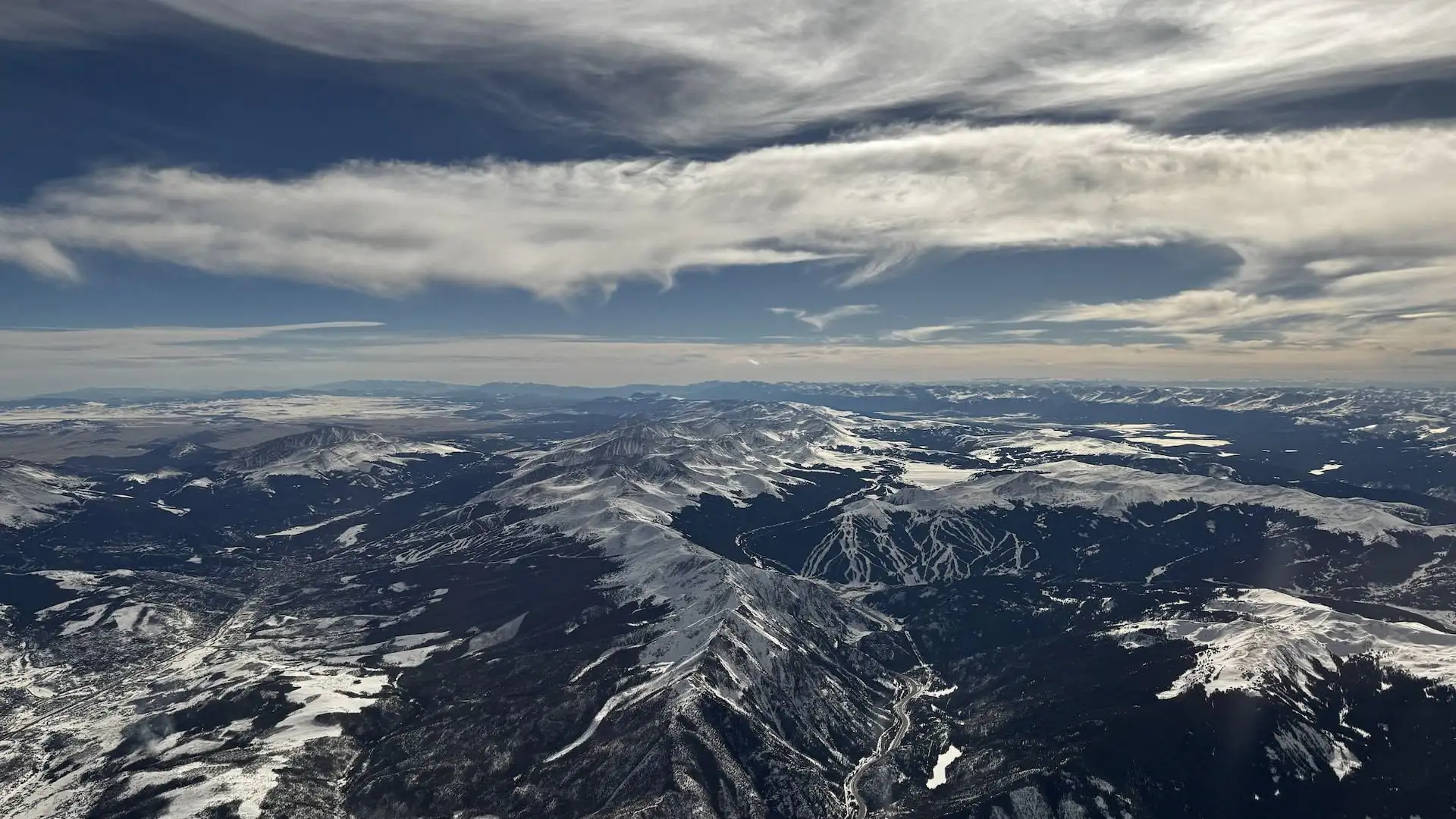
Lodging can be the largest single expense of a ski trip, especially at destination resorts. There’s a huge range of options, from budget motels off the highway to luxury slope-side chalets.
On the low end, if you’re near a ski hill or on a road trip, you might find motels or hostels for around $100-$200 per night. In many ski towns, a standard hotel runs roughly $200-$500 per night during the winter . On the high end, premium ski-in/ski-out hotels or resorts can easily exceed $1,000+ a night in peak season. For example, staying within walking distance of Park City Mountain in Utah around New Year’s can average a whopping $1,800+ per night for a room or condo, due to holiday demand. Aspen, Vail, Deer Valley – all have ultra-luxe lodging that can top this range for the nicest places.
The Rockies and West Coast generally see higher lodging costs than the smaller ski areas in the East or Midwest, but even popular Eastern resorts (Stowe, VT or Lake Placid, NY) can have $300/night hotels on busy weekends. If you’re willing to stay farther from the slopes (say 30 minutes away), you can often find much cheaper accommodations. Also, vacation rentals (Airbnb/VRBO) or renting a house with a group can give more value per person than individual hotel rooms.
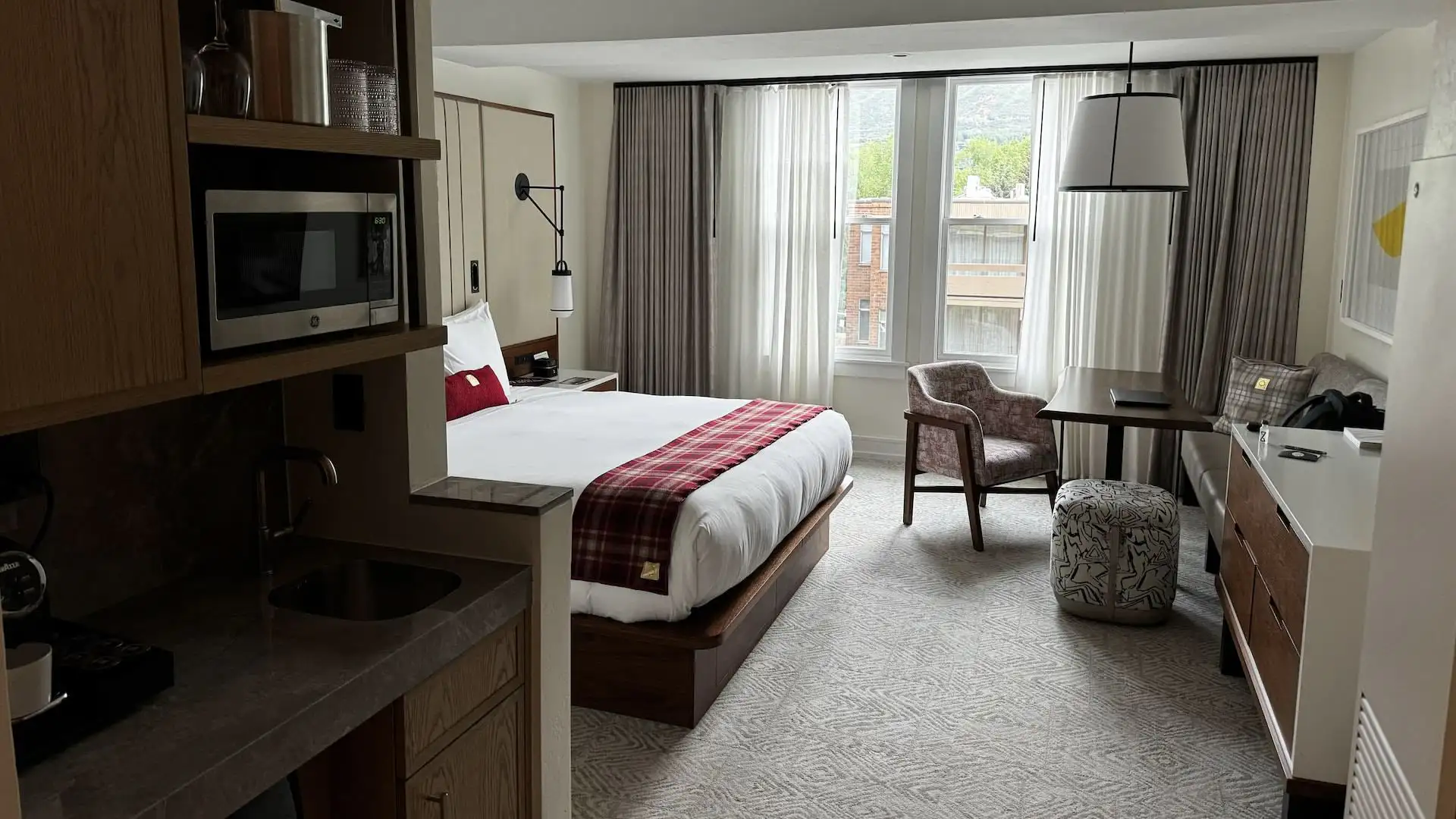
To recap, the cost of a ski trip can vary enormously. A budget-conscious beginner sticking to a local hill might keep costs around $200 per day or less, while a luxury ski vacation at a top resort can run well over $500 per day . The key is planning ahead, choosing the right time and place, and taking advantage of packages and deals. By avoiding peak-season prices, renting or borrowing gear, and being smart about lodging and meals, learning to ski can be made much more affordable without sacrificing fun.
| Cost Category | 2025 Price Range Per Day | Price Range Drivers |
|---|---|---|
| Lift Tickets | $20 - 300 | Local vs. marquee resorts; off-peak vs. peak/holiday; advance vs. same-day purchase |
| Equipment | $40 - 125 | Basic vs. premium/demo rentals; on-resort shops vs. off-site discounts |
| Apparel Rental | $30 - 50 | Represents rentals only. If looking to buy, budget $500-1,000 one-time |
| Lessons | $70 - 1,000 | Group vs. private sessions; half vs. full-day; marquee resorts vs. local hills |
| Meals | $20 - $100 | Brown-bag lunches vs. on-mountain dining; après-ski extras |
| Daily Total | $180 - $1,600 | Combines lift tickets, equipment, apparel, lessons, and meals |
| Travel | $50 - 500+ | Driving vs. flying; distance and rental cars; weekday vs. holiday |
| Lodging | $80 - 1,000+ | Location; hotels vs. Airbnb/VRBO, off-peak vs. holiday rates |